My ErasmusSemester in Brussels
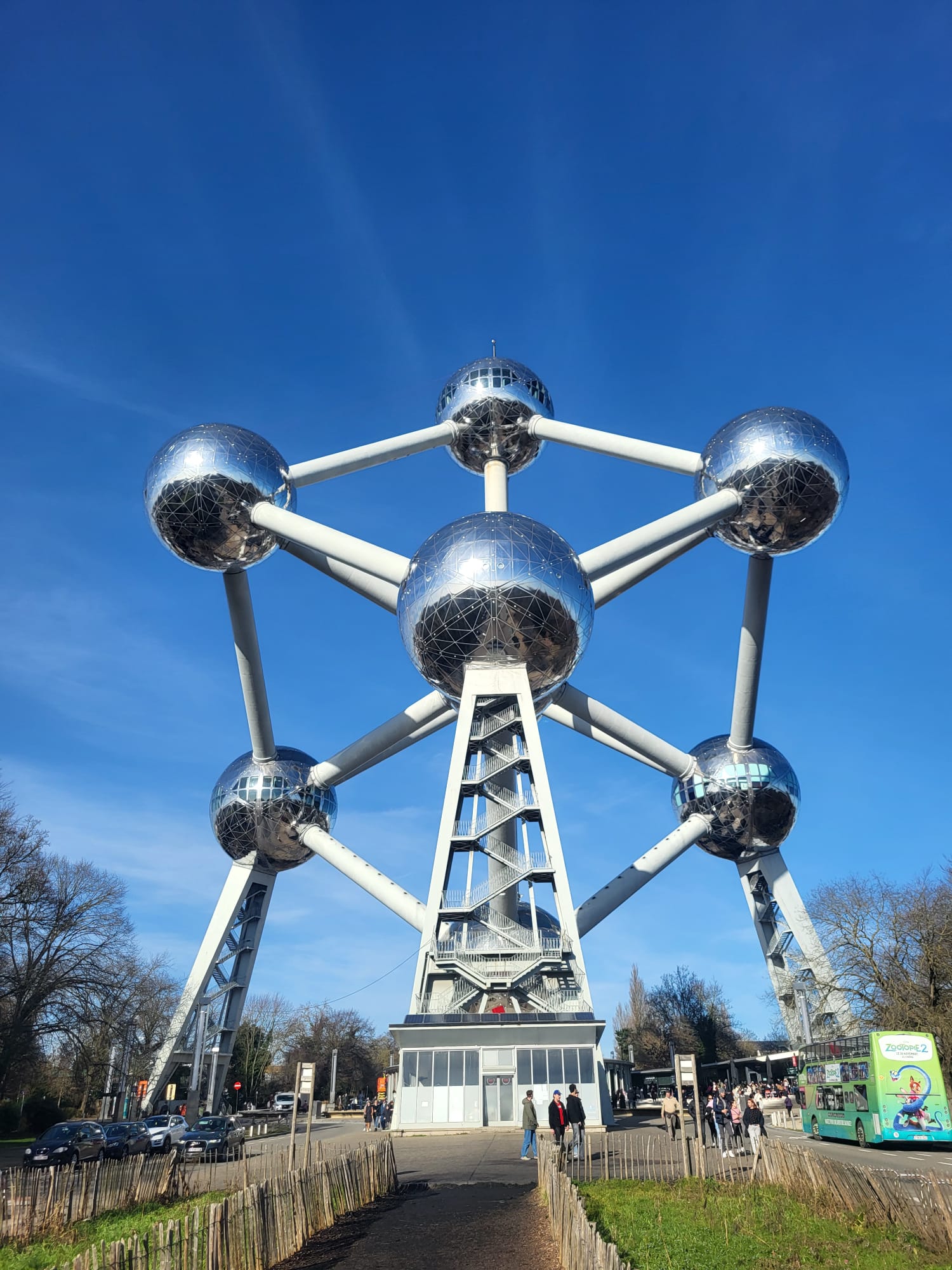
The Univerity
From February until June 2026, I studied at Odisee University of Applied Sciences in Brussels as part of my Erasmus semester. Odisee is one of the largest universities of applied sciences in Flanders and a member of the KU Leuven Association. I attended the Brussels campus, where the Urban Dynamics programme took place. The programme consisted of the following courses:
- Migration and Transnational Relationships (6 ECTS)
- Human and Children’s Rights (6 ECTS)
- Inclusion in Education and Society (6 ECTS)
- Skills and Networks in a Metropolitan Context (6 ECTS)
- Field Practice (6 ECTS)
All courses were taught in English, and communication within the university was organised through Microsoft Outlook.
The programme brought together students from teacher education and social work, creating an interdisciplinary learning environment. Our group consisted of nine students from six countries: Germany, Spain, the Netherlands, Vietnam, Ecuador and Austria. While three students were enrolled in teacher education programmes, the others studied social work or related fields. Because our group included both teacher education and social work students, our discussions often looked at the same topic from different perspectives.
To help us get to know each other, the university organised a two-day field trip to Antwerp at the beginning of the semester. It was a great way to get to know the other students before classes started. These first two days laid the foundation for friendships that became one of the best parts of my Erasmus semester.
Classes took place until the end of May, followed by a dedicated examination period. My examinations included a written exam, an oral exam, an exhibition presentation and several group presentations. Compared to my experience at PH Graz, where assessments are usually integrated into the semester alongside ongoing courses, I found this system beneficial because it allowed for more concentrated preparation.
The teaching style itself was relatively similar to what I was used to in Austria, with lectures often combined with discussions and practical activities. What stood out to me, however, was that almost every course also included field visits and guest lectures, which connected the theoretical content to real-life practice.
The relationship between students and lecturers was much more informal than I was used to in Austria. Students addressed their lecturers by their first names, which felt unusual at first but quickly created an open and supportive learning atmosphere.
The Belgian grading system differs significantly from the Austrian one. Grades range from 0 to 20, although the highest marks are rarely awarded in practice and grading is generally stricter than what I experienced in Austria.
School Practice
Without doubt, my field practice at GO! Pacheco Primary School was the highlight of my Erasmus semester. Even before my official placement from 20th to 24th of April 2026, I visited the school on three mornings to observe lessons, get to know the pupils and prepare my own teaching.
I was assigned to a fifth-grade class with 21 pupils in a highly multilingual environment. Although Dutch was the language of instruction, many children spoke French or other languages at home.
During the week, I planned and taught eight lessons independently. My mentor gave me a great deal of freedom and trusted me to develop my own lessons and teaching materials. I introduced the pupils to Austria, taught basic German, organised art activities and even sang „Brother John“ as a round in Dutch, German, French and English. One of my favourite moments was learning a choreography of „Waka Waka“ together and performing it on a public platform.
Teaching in this environment was unlike anything I had experienced before. Since I did not speak Dutch fluently and as English is not introduced until secondary school, I had to find creative ways to communicate. I explained the lessons in English, while all PowerPoint presentations were translated into Dutch beforehand. Whenever important instructions appeared on the slides, I asked one of the pupils to read them aloud. This simple approach worked surprisingly well and ensured that everyone understood the tasks. During my stay, I also learned some basic Dutch myself, which helped me communicate with the children during lessons and breaks and made everyday interactions much easier.
What made the placement particularly special was the atmosphere in the classroom. The pupils approached every activity with curiosity, enthusiasm and a genuine willingness to participate. As the week went on, many of them even started greeting me in German or proudly using the new words they had learned during the breaks. Moments like these showed me how much they enjoyed discovering a new language and made teaching incredibly rewarding.
On 4 May, I returned to the school for the Day of Europe, where I planned and taught two additional lessons together with my two teacher classmates. The event was organised in cooperation with “EPOS vzw” and accompanied by a film crew.
Later in the semester, I also joined the class and their teacher on a day trip to Ostend. Returning to the school after my placement had officially ended made me realise how welcome I had felt there. Looking back, the field practice was far more than a compulsory part of the programme, it became one of the experiences that defined my Erasmus semester.
A short interview with me can be seen from 1:00 to 1:20.
Accommodation
During my stay in Brussels, I lived in the Van Orley International Student House, a student residence managed by Brik for international students.
The biggest advantage was definitely its location. The residence was only a 15-minute walk from the Grand Place and about 10 minutes from both Odisee University and Brussels Central Station. The neighbourhood felt safe, public transport was nearby and made it easy to get around the city. I rented a single room with a private bathroom for €723 per month. The residence also had shared kitchens and a terrace, where I spent a lot of time with other international students and got to know people from all over the world.
Of course, there were also some downsides. The building was quite old, my room was not particularly clean when I moved in, storage space was limited and maintenance requests were often dealt with slowly. During the semester, issues such as a damaged door and water damage caused by a leaking pipe were never repaired. Grocery shopping was also a little inconvenient, as the nearest discount supermarket was about a 15-minute walk away.
Despite these drawbacks, I would recommend the residence to future exchange students. Finding affordable accommodation in Brussels is not easy, and after talking to other international students, I realised that similar prices and conditions were common across the city. Although the facilities were fairly basic, the excellent location, the international atmosphere and the short distance to the university made it a good place to live during my Erasmus semester.
The City
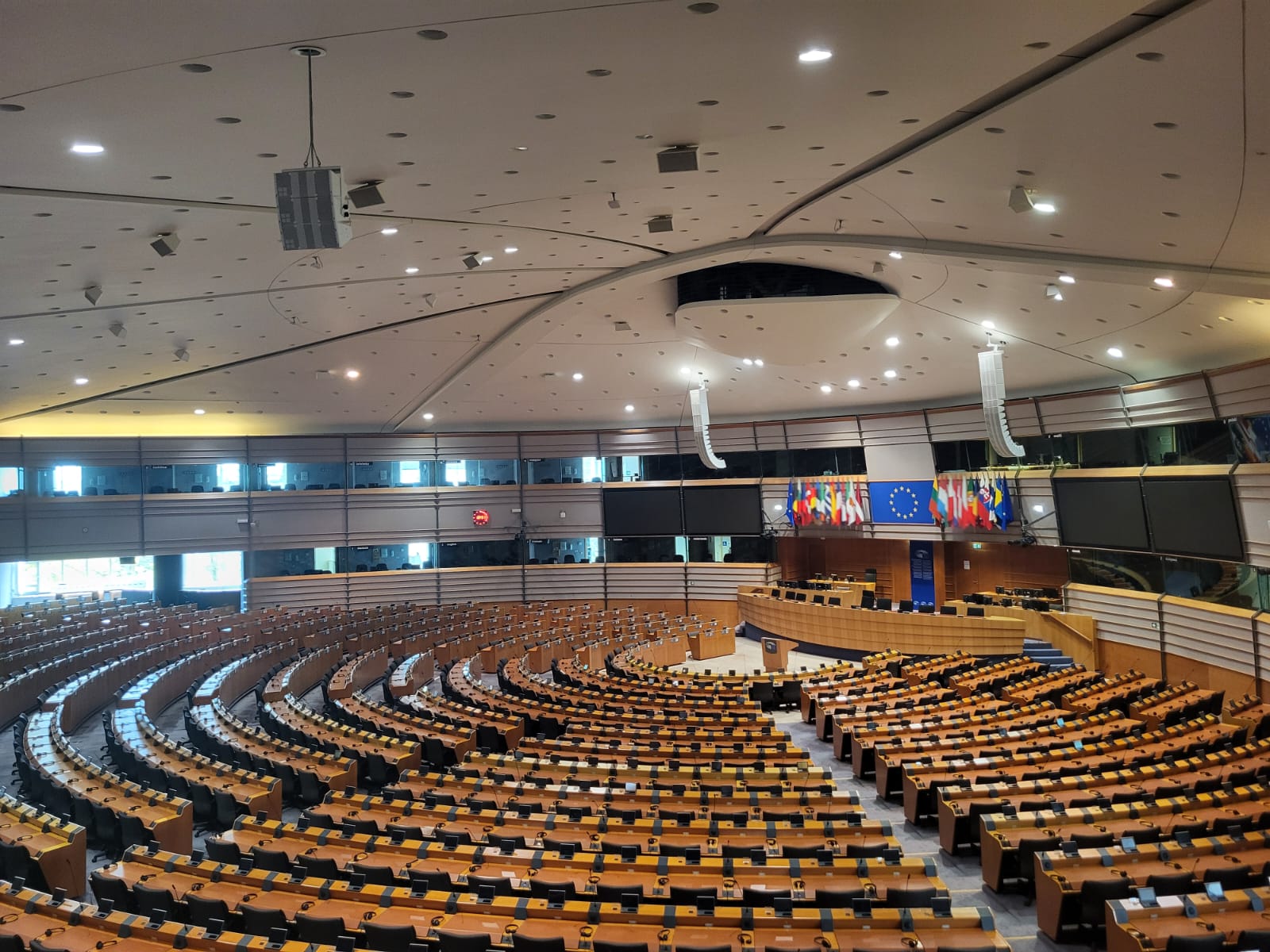
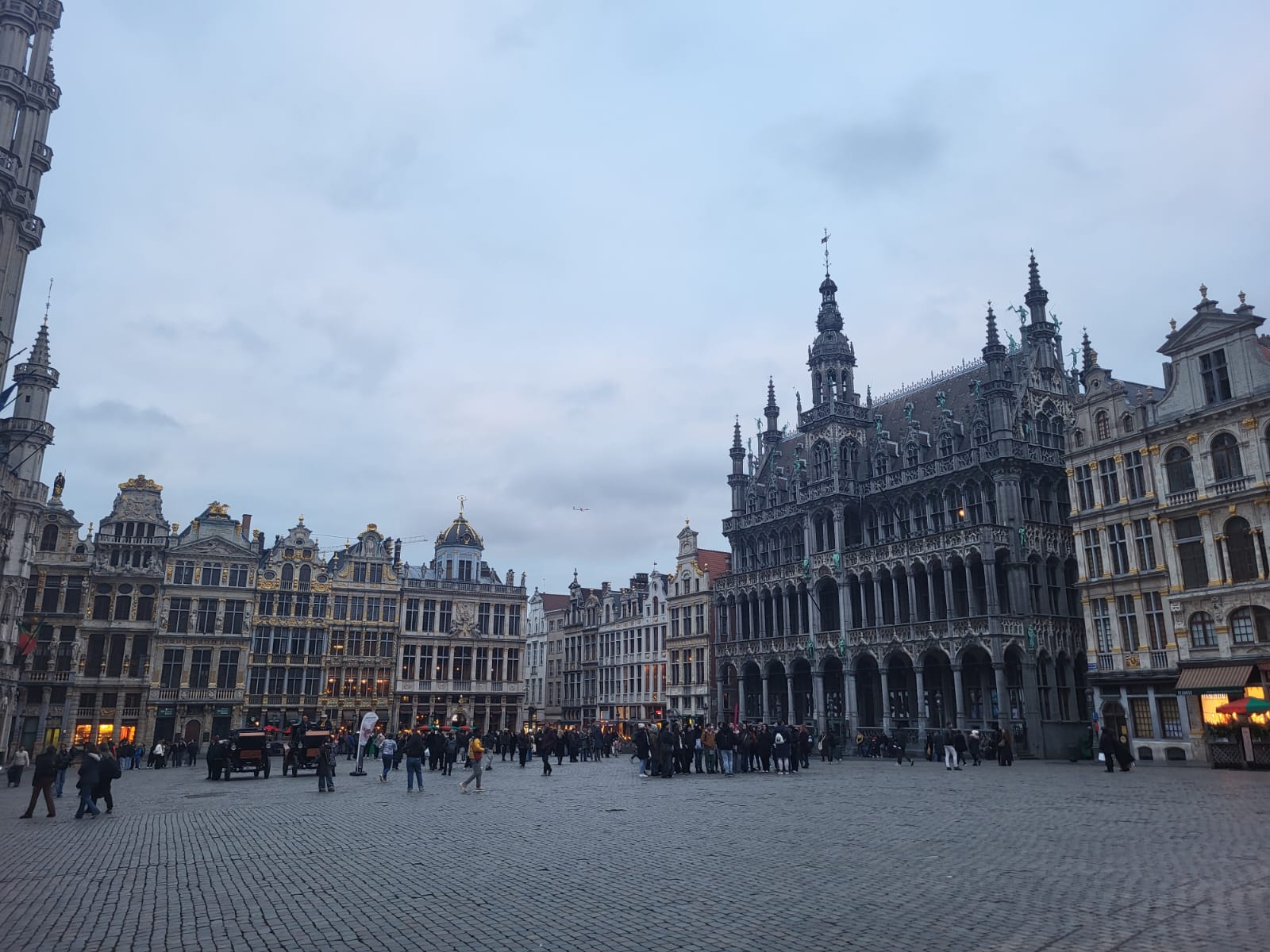
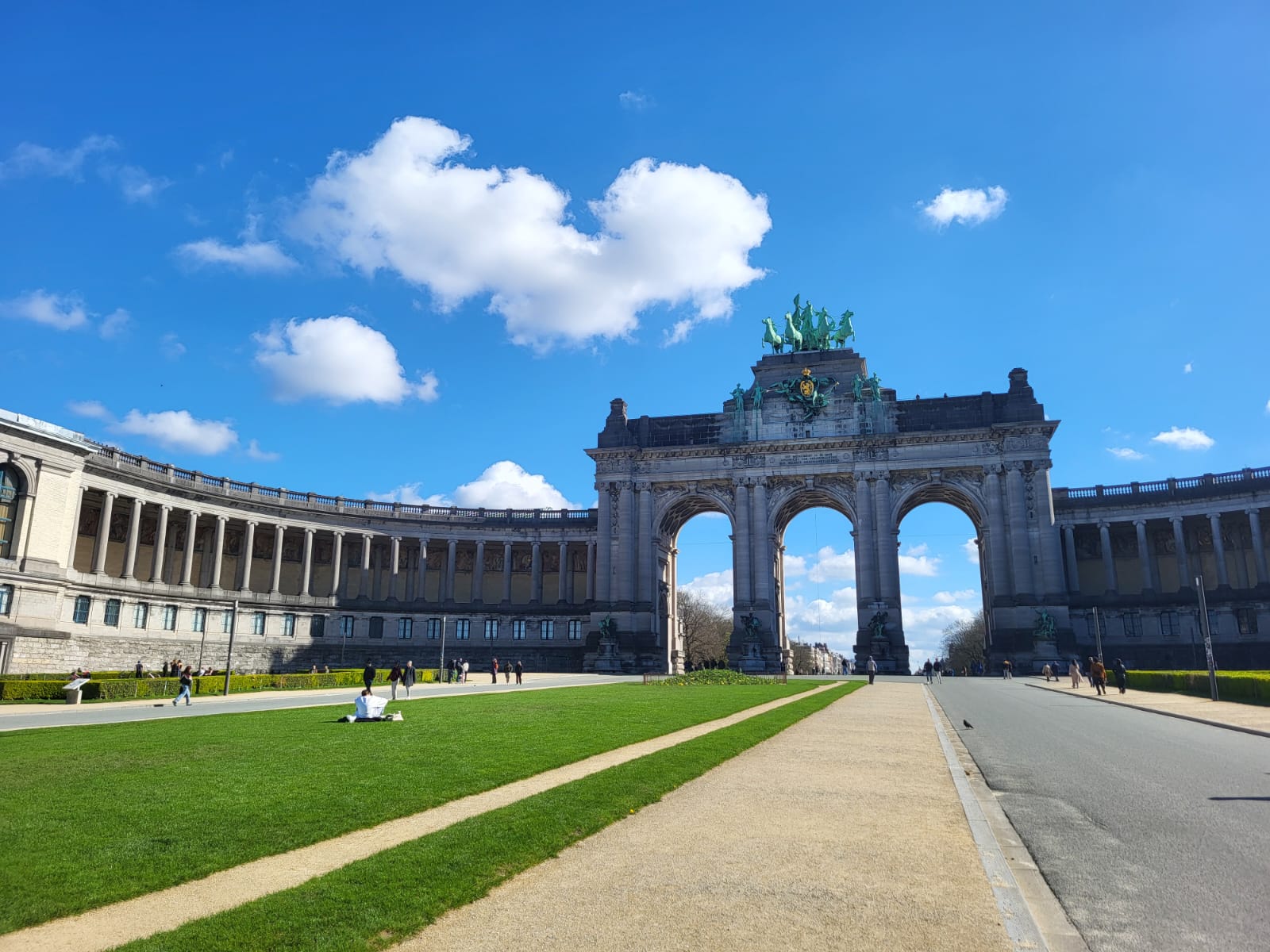
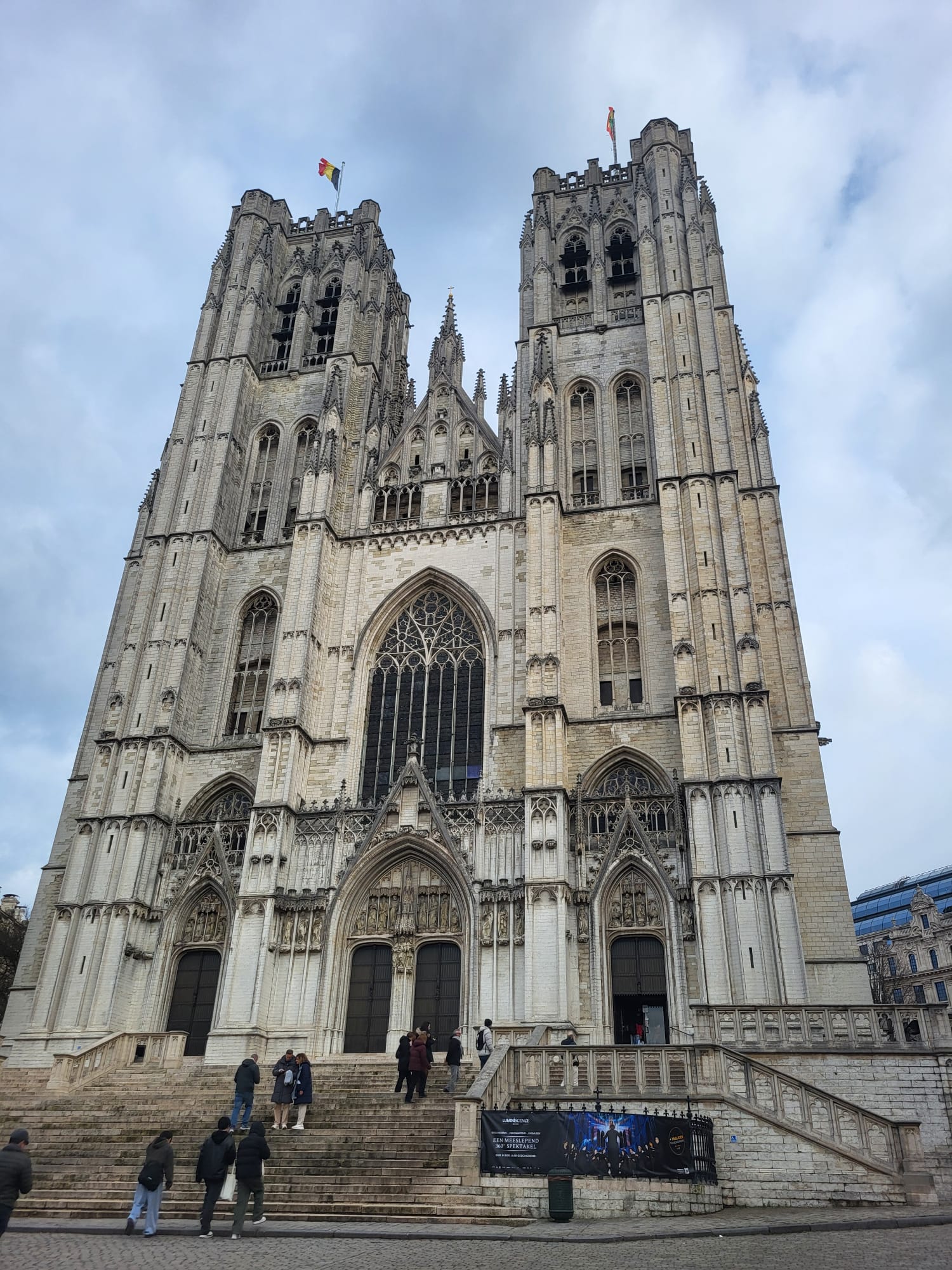
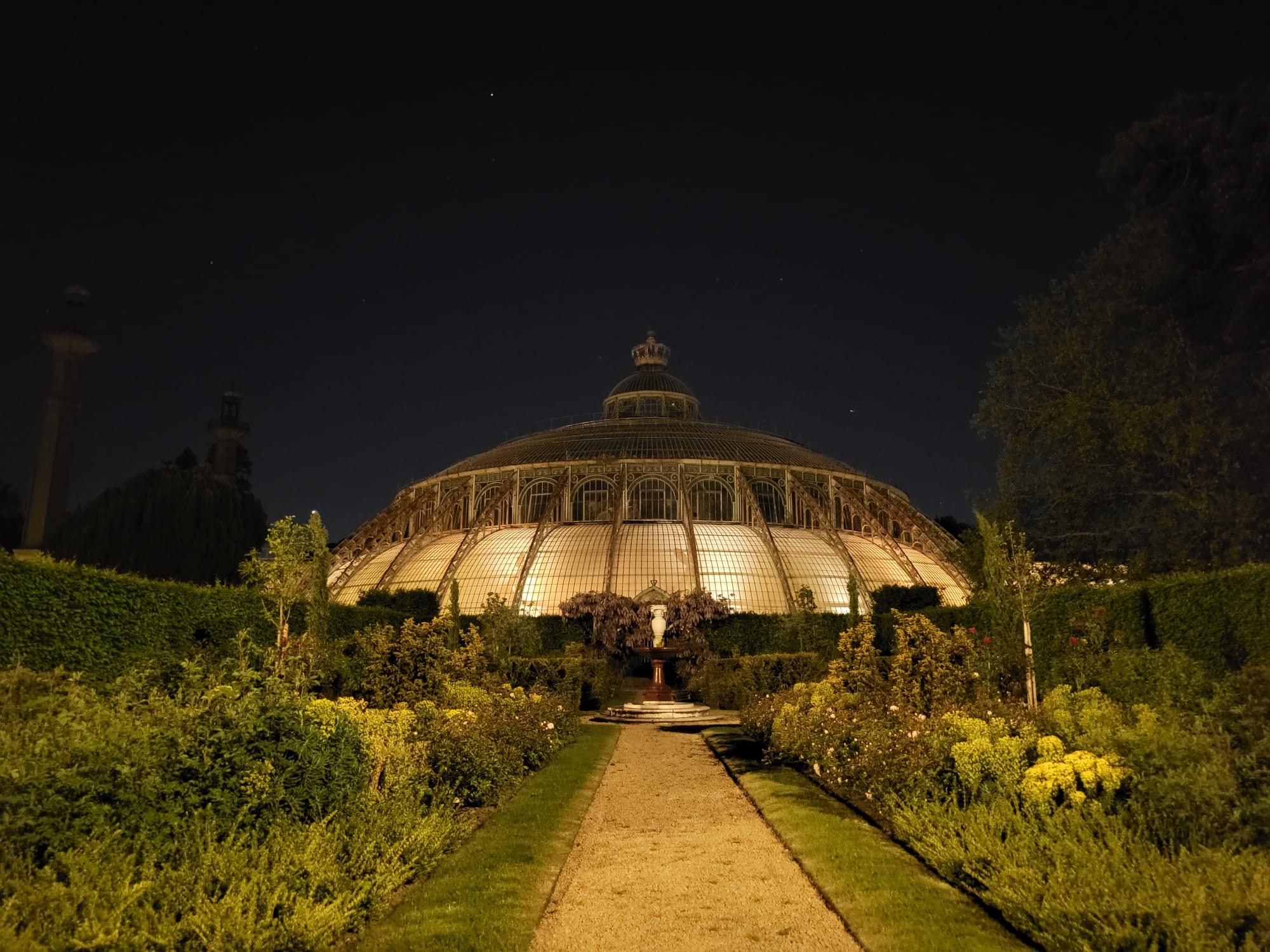
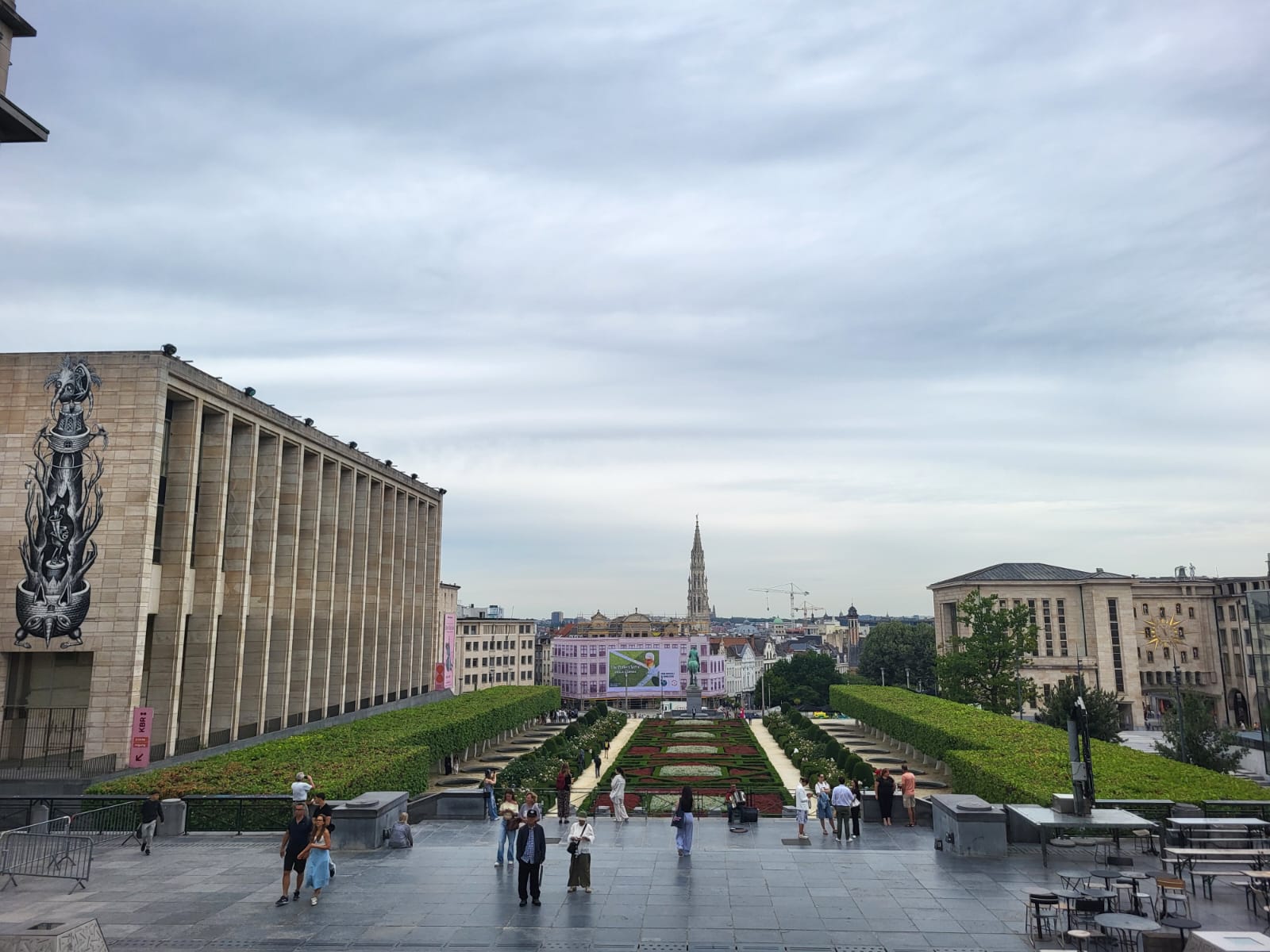
As the capital of both Belgium and the European Union, Brussels is much bigger, more international and far more diverse than any city I had lived in before.
One of the first things I noticed was the visible social inequality. Homelessness is a major issue in Brussels, and it was not unusual to see homeless people throughout the city, including families with (VERY) young children.
At the same time, Brussels quickly became a city that I really enjoyed living in. Many places can easily be reached on foot, and I spent much of my free time exploring different neighbourhoods, visiting museums and relaxing in the city’s parks. Parc de Bruxelles became one of my favourite places, especially for going for a run after university, having a picnic or simply enjoying the sunshine. I also enjoyed visiting the BELvue Museum, which gave me a better understanding of Belgium’s history.
One of the things I appreciated most was the city’s multicultural atmosphere. Hearing different languages every day quickly became completely normal, and as an international student I always felt welcome.
Belgium is also a great country for travelling. Thanks to its affordable and well-connected railway network, I was able to visit Leuven, Mechelen, Bruges, Antwerp, Binche, Ghent, Liège, Dinant, Ostend and Knokke, as well as Luxembourg and several places in the Netherlands.
Recommendations for Future Students
I would definitely recommend future students to make the most of Belgium’s excellent transport connections and explore as much of the country as possible. Although Brussels has a lot to offer, cities such as Bruges, Ghent, Antwerp and Dinant are all worth visiting. Thanks to Belgium’s central location, weekend trips to Amsterdam or Paris are also easy to organise.
Belgian fries, waffles and chocolate are a must-try. I especially recommend Leonidas chocolate and Frites Atelier.
My advice would simply be to stay curious, try new things and say yes to as many opportunities as possible. Looking back, these experiences made my Erasmus semester truly unforgettable.
Evaluation of the Stay Abroad
Looking back, my Erasmus semester was one of the most valuable experiences of my studies so far. It challenged me academically, professionally and personally and gave me many experiences that I could never have gained in Austria.
Although not every course was directly relevant to my future profession as a primary school teacher, the programme broadened my perspective and encouraged me to look beyond the classroom. Topics such as migration, diversity and children’s rights helped me better understand the realities many children face today.
What made the semester truly special, however, were the experiences outside the lecture hall. Living in Brussels, teaching in a multilingual school and sharing everyday life with students from different countries changed the way I see education, diversity and intercultural exchange.
Another highlight was the people I met during my Erasmus semester. Sharing everyday life with students from different countries created friendships that I hope will last far beyond this exchange. Living abroad also made me more independent and confident, both in everyday life and when adapting to unfamiliar situations. Looking back, I would choose to spend my Erasmus semester in Brussels again without hesitation.
Learning Experiences and Benefits for My Future Work as a Teacher
The field practice had the greatest impact on my professional development. Teaching in a multilingual classroom taught me that successful communication is not limited to spoken language. Visual materials, gestures, creativity and patience can often be just as important.
Another valuable experience was the freedom I was given during my placement. Planning my own lessons, creating teaching materials and making my own decisions encouraged me to become more flexible as a teacher.
Most importantly, my Erasmus semester showed me that diversity should not be seen as a challenge, but as an opportunity. I am convinced that these experiences will continue to influence my teaching and help me create an inclusive classroom where every child feels welcome. Beyond my professional development, the semester also made me more independent, open-minded and confident in new environments. Looking back, it helped me grow not only as a future teacher, but also as a person. It is an experience that I will always look back on with gratitude.
Text & Pictures: Leonie Ogris