My Erasmus Experience in Trondheim
From January 2026 to June 2026, I spent my Erasmus semester in Trondheim, Norway, studying at the Norwegian University of Science and Technology (NTNU). It was an unforgettable experience that enriched me both personally and professionally.
University and Courses
I attended three courses at NTNU, amounting to a total of 30 ECTS credits. Music for Erasmus (15 ECTS): This course was a particular highlight. What made it especially interesting was that we took the class together with Norwegian students who were studying to become music teachers. The course content was highly diverse. Among other things, we sang in a choir, tried out various musical instruments, and concluded the semester with a live band performance. Playing in the band allowed me to expand my musical horizons by trying instruments I had never played before. It was also a wonderful opportunity to talk with locals and build lasting friendships.
Introduction to Norway (7.5 ECTS): This course covered the history, politics, economy, and education system of Norway. It was incredibly fascinating because it provided deep background information about our host country, giving me a completely new perspective on Norwegian culture.
Introduction to Norwegian (7.5 ECTS): Here, I learned the basics of the Norwegian language. Experiencing the challenge of learning a new language from scratch was highly beneficial for my future role as a teacher. It gave me a firsthand understanding of how children feel when learning German as a second language. Furthermore, I believe it is a matter of respect to learn at least the basics of the language spoken in your host country.
School Visit and Practical Insights
As part of the music course, I had the wonderful opportunity to conduct a music lesson at a Norwegian elementary school alongside two other Erasmus students. We designed a short lesson for the children where we sang “I Like the Flowers” and accompanied it with percussion instruments.
Our professor also gave us a guided tour of the school, offering us deep insights into the Norwegian educational system. Even though this school practice was brief, it was highly valuable and provided me with unique insights that will greatly benefit my future career as a primary school teacher.
Living in the Student Village
I lived in a shared apartment at the Moholt studentby residence. Although I shared a kitchen with 14 other students, this was never an issue because the kitchen was large. In return, I enjoyed the comfort of having my own private room and bathroom. The accommodation was excellent and very affordable by Norwegian standards. Because of my private bathroom, my rent was slightly higher than average Moholt studentby residence, but for me personally, the privacy was absolutely worth it. Thanks to the Erasmus grant, the cost of my accommodation was almost entirely covered. Living there was a fantastic experience, as it allowed me to easily connect with both Norwegian and international students. This social environment contributed significantly to my positive experience abroad.
The City of Trondheim
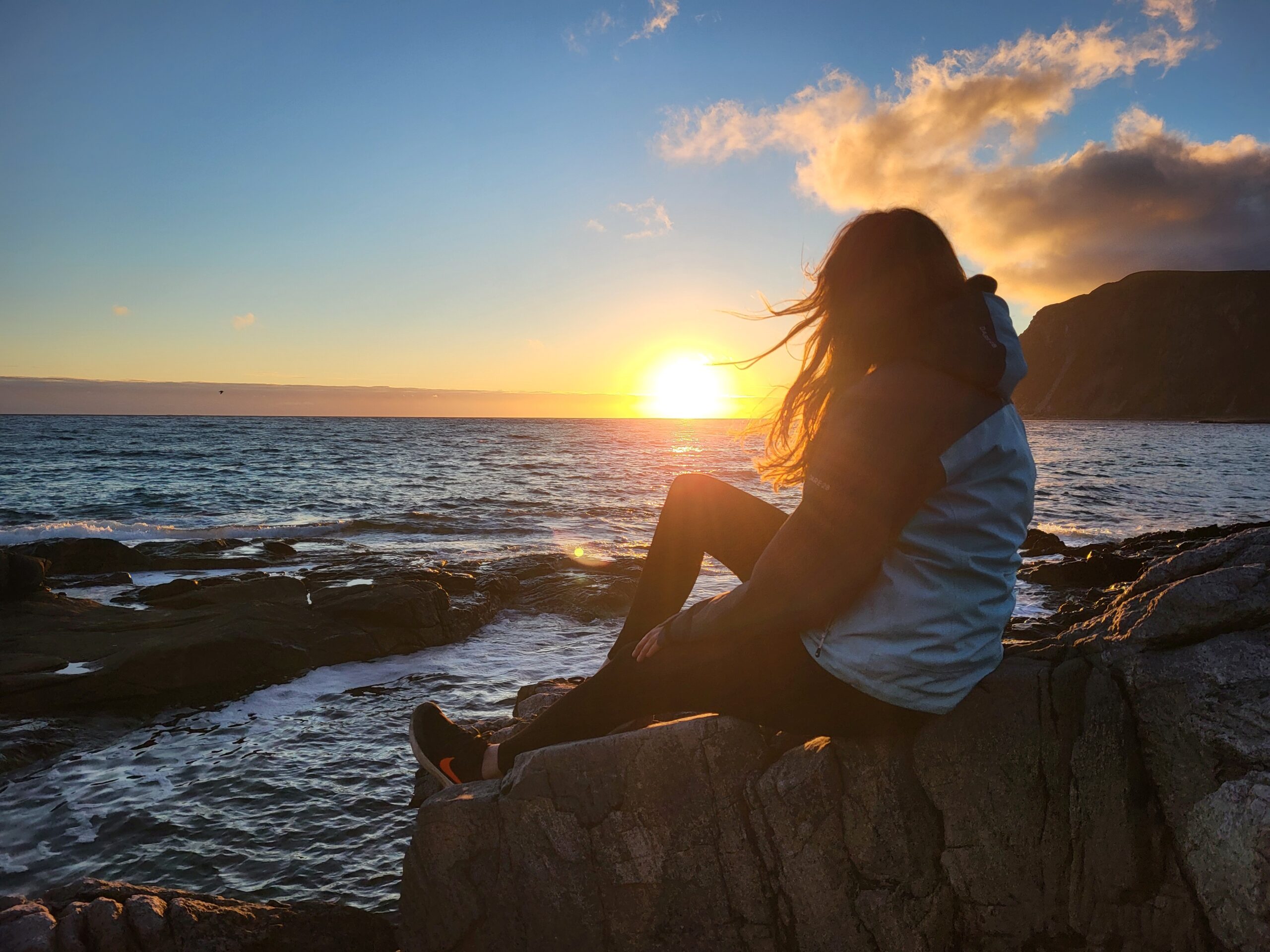
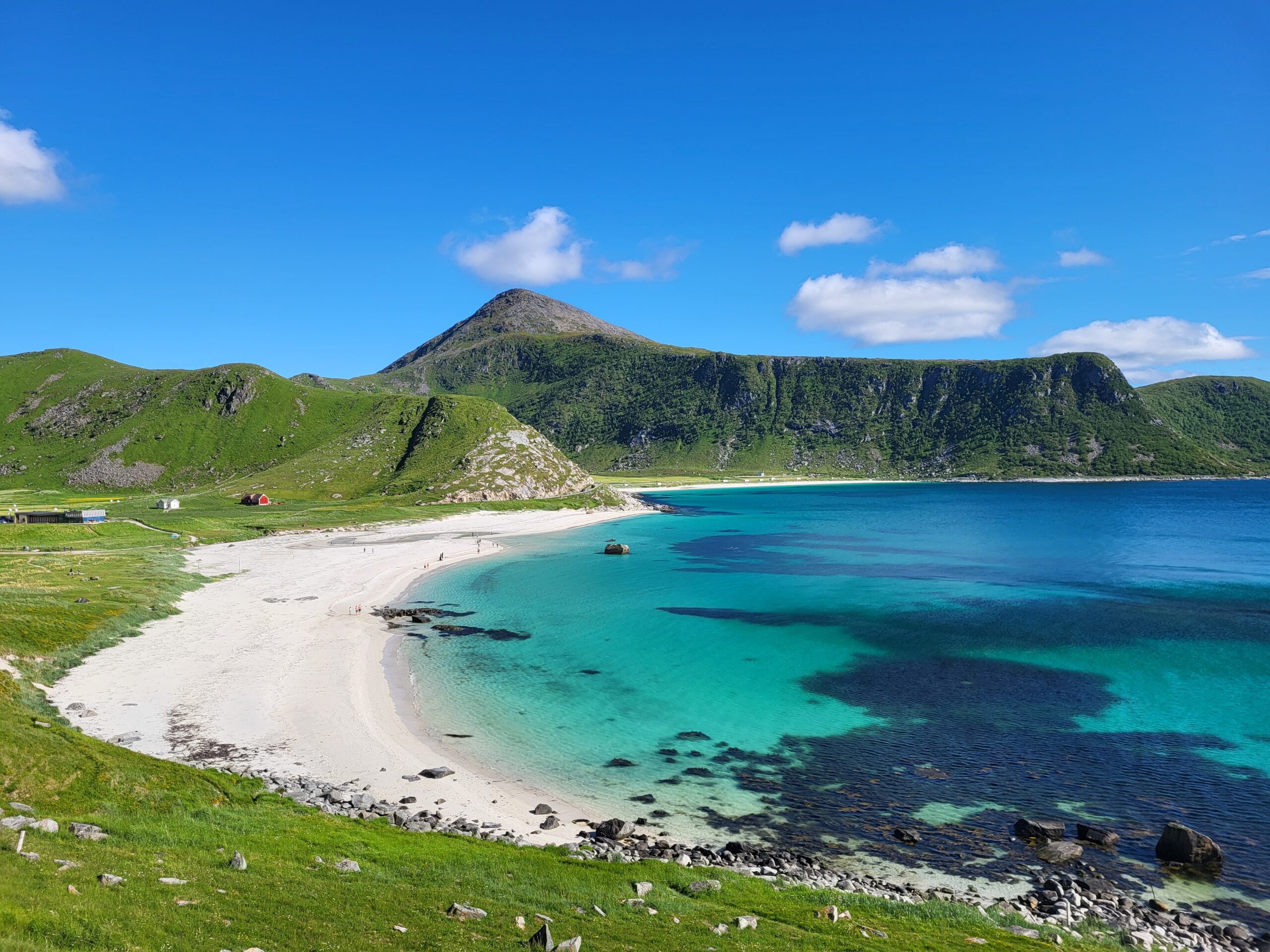
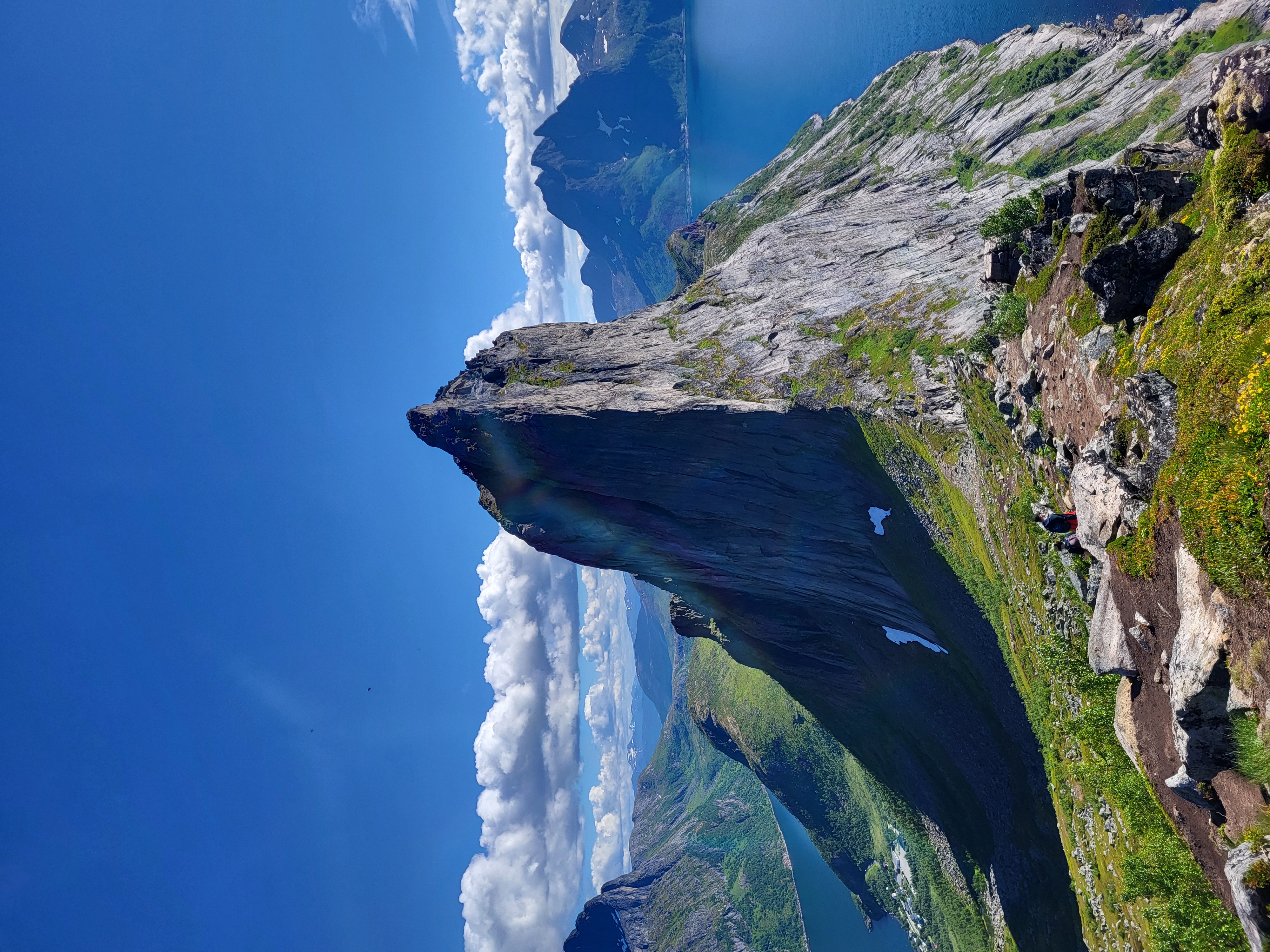
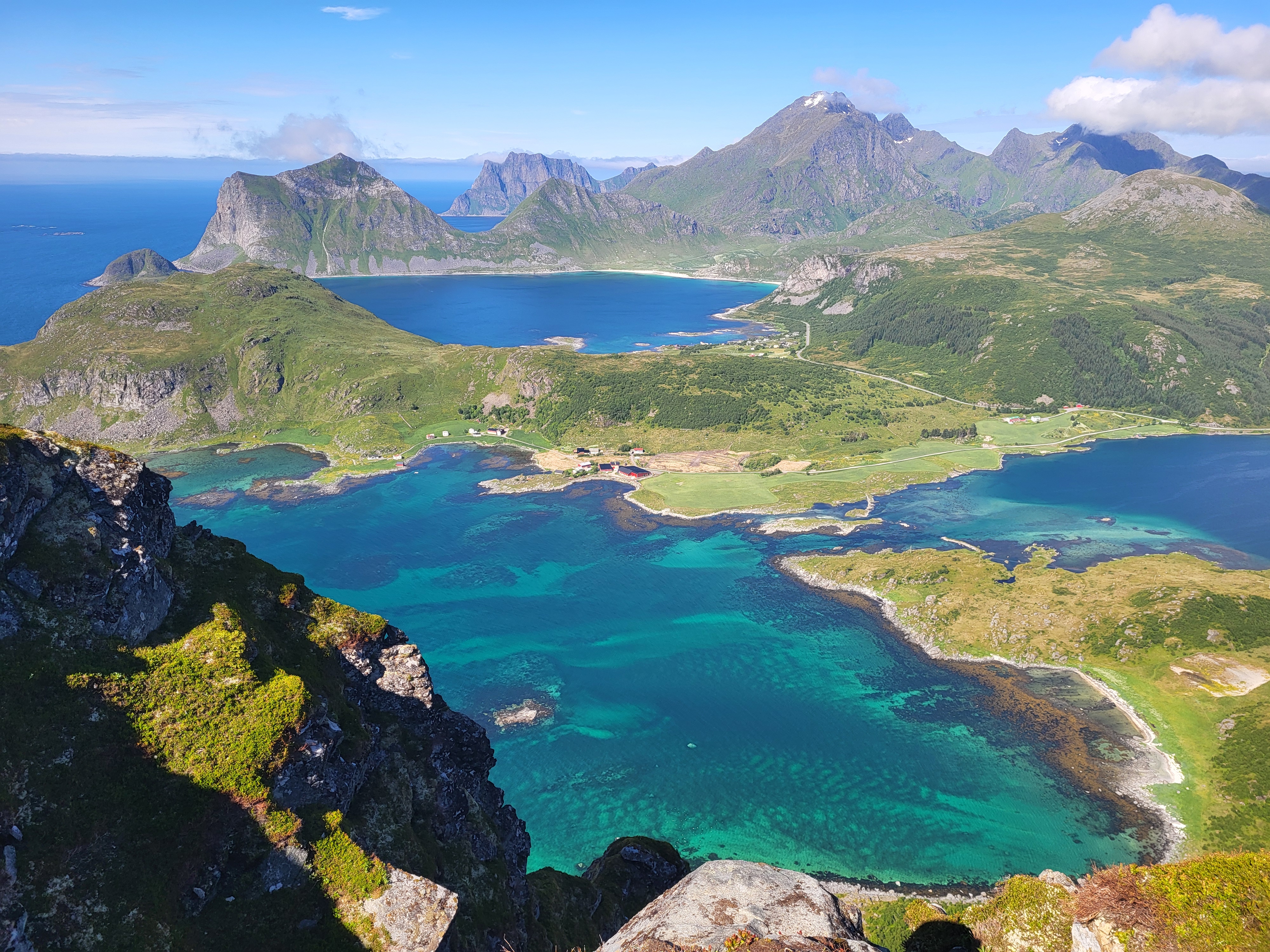
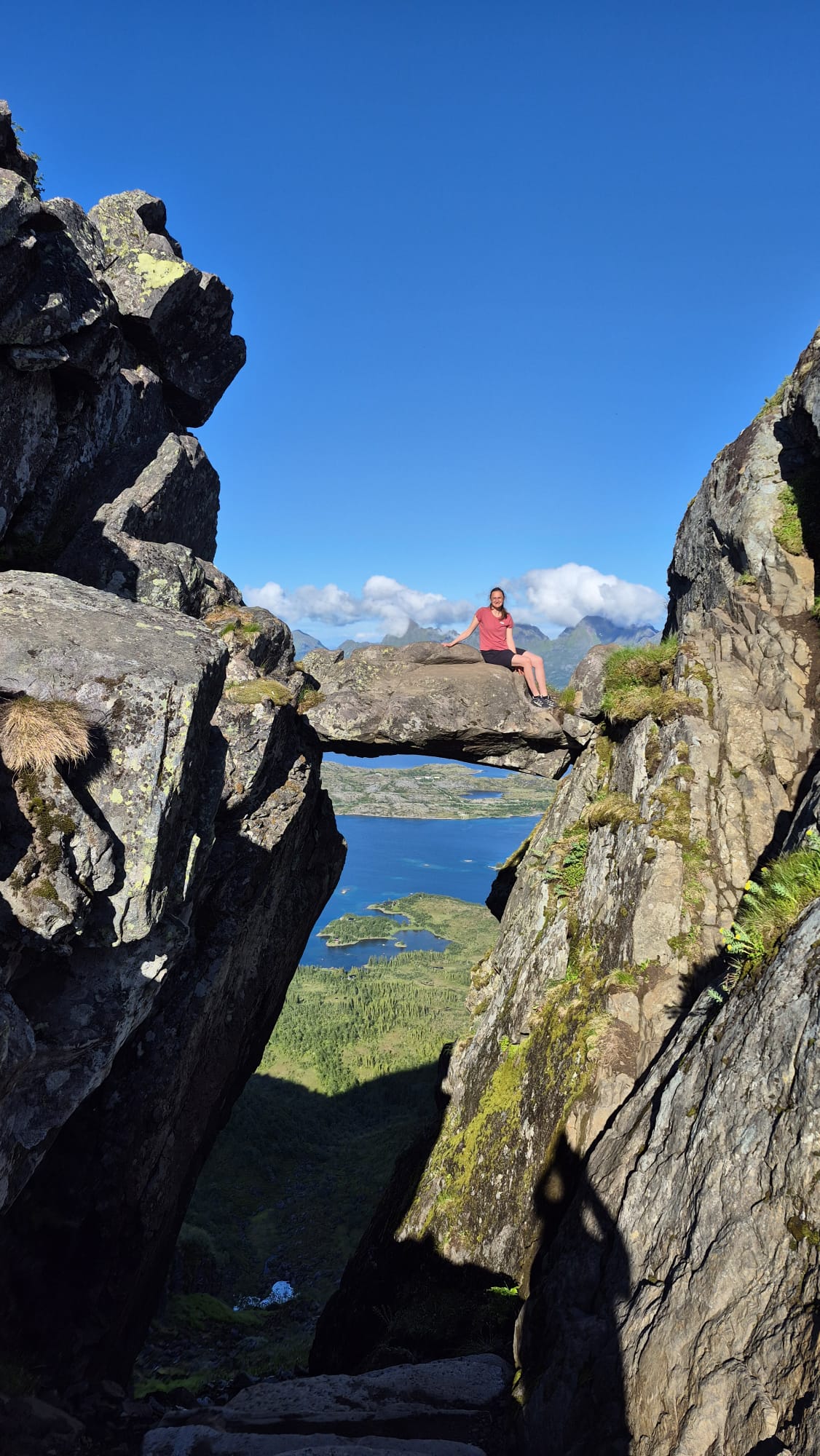
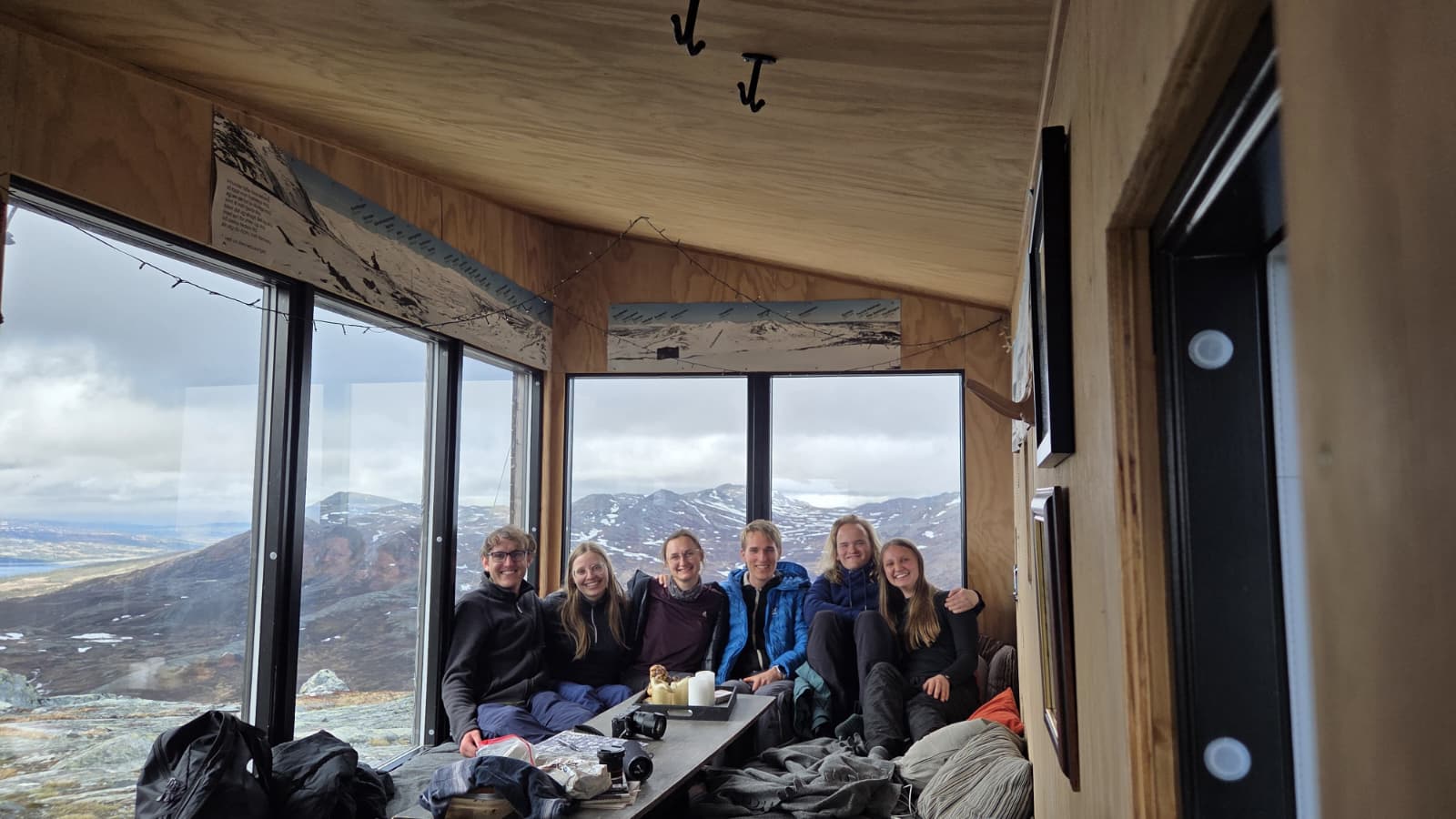
Trondheim is a beautiful city located right in the center of Norway, making it an ideal starting point for traveling. During my stay, I was able to visit various traditional student cabins, explore the Western Coast, Lapland and Lofoten.
I also took full advantage of the stunning nature by doing a lot of hiking, downhill skiing, and cross-country skiing. The excellent weather conditions this year even made it possible to go ice skating on frozen lakes, which was an incredible experience.
Cultural, Academic, and Personal Development
During my time in Norway, I met many wonderful people from various countries, including Finland, the Netherlands, Italy, and a large number of students from Germany. I made a conscious effort to speak as much English as possible in my daily life, which significantly improved my language proficiency and confidence.
Academically, adapting to the Norwegian university system was highly rewarding. I was impressed by how organized everything was. All exams were digital and conducted entirely on PCs. Even in the “Music for Erasmus” course, we utilized digital tools like “Soundtrap” to compose and produce music. This broadened my pedagogical horizon, showing me innovative ways to integrate digital media into music education.
Conclusion
All in all, my Erasmus semester was deeply enriching on both a personal and academic level. I did not only gain new academic skills, but I also found lifelong friends. As a future teacher, this experience has shaped me immensely. It opened my eyes to new cultures, deepened my understanding of multilingualism, and taught me creative, modern methods to teach music to children. I can only encourage every student to take the leap and experience a semester abroad.

Photos & Text: Katharina Rebernig