Erasmus Experience in Setúbal: Living, Learning, and Growing Abroad
The City
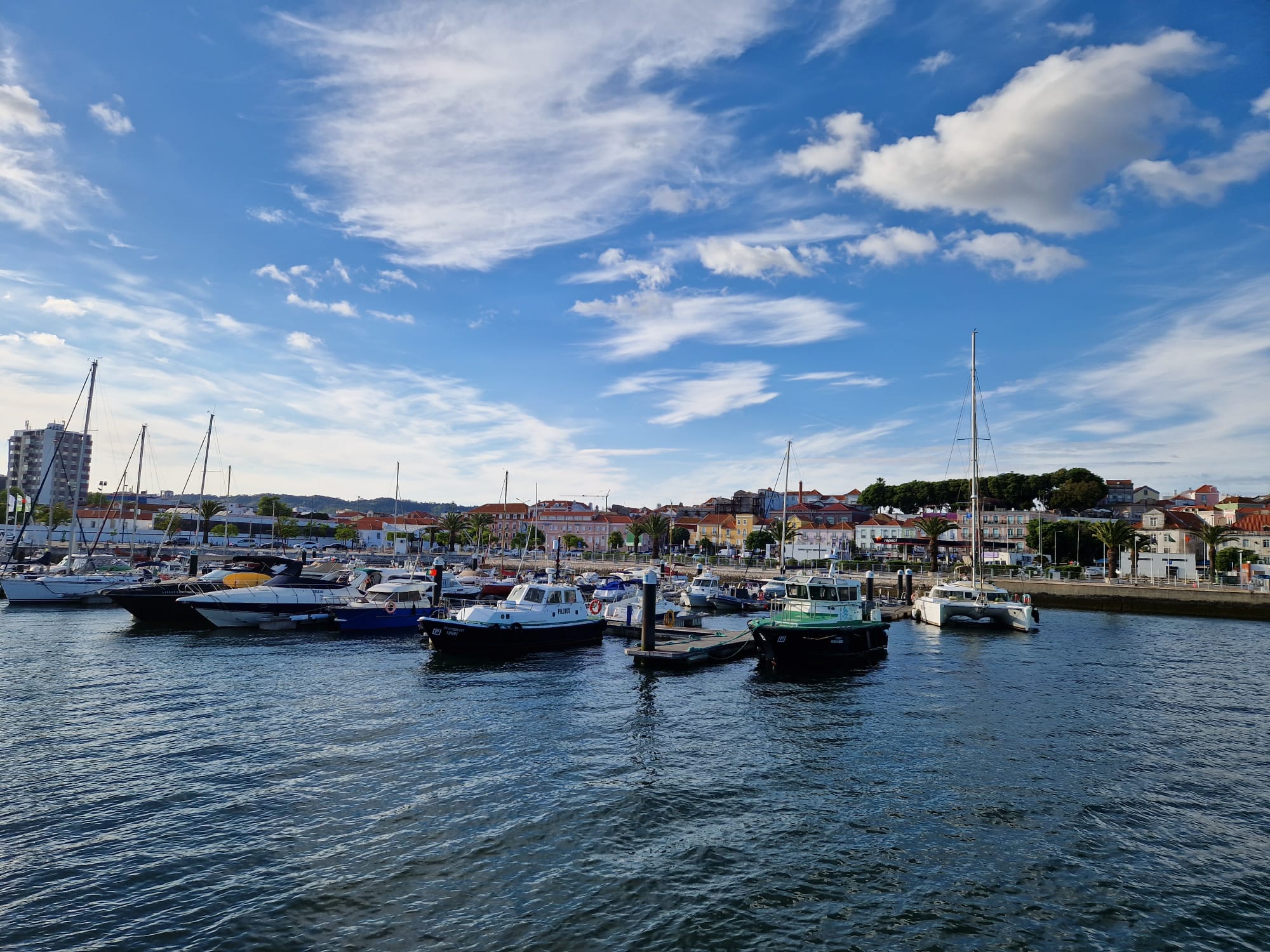
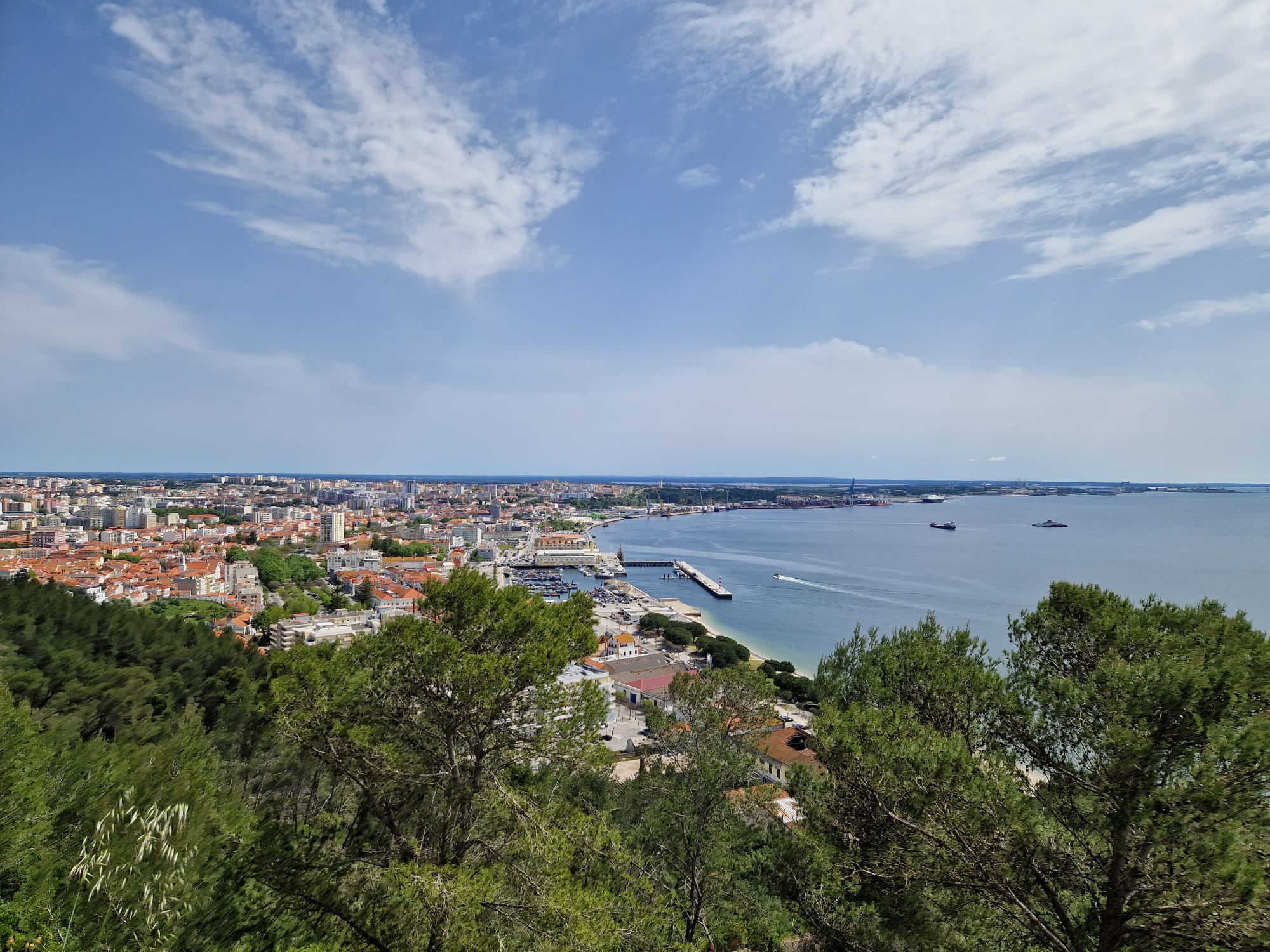
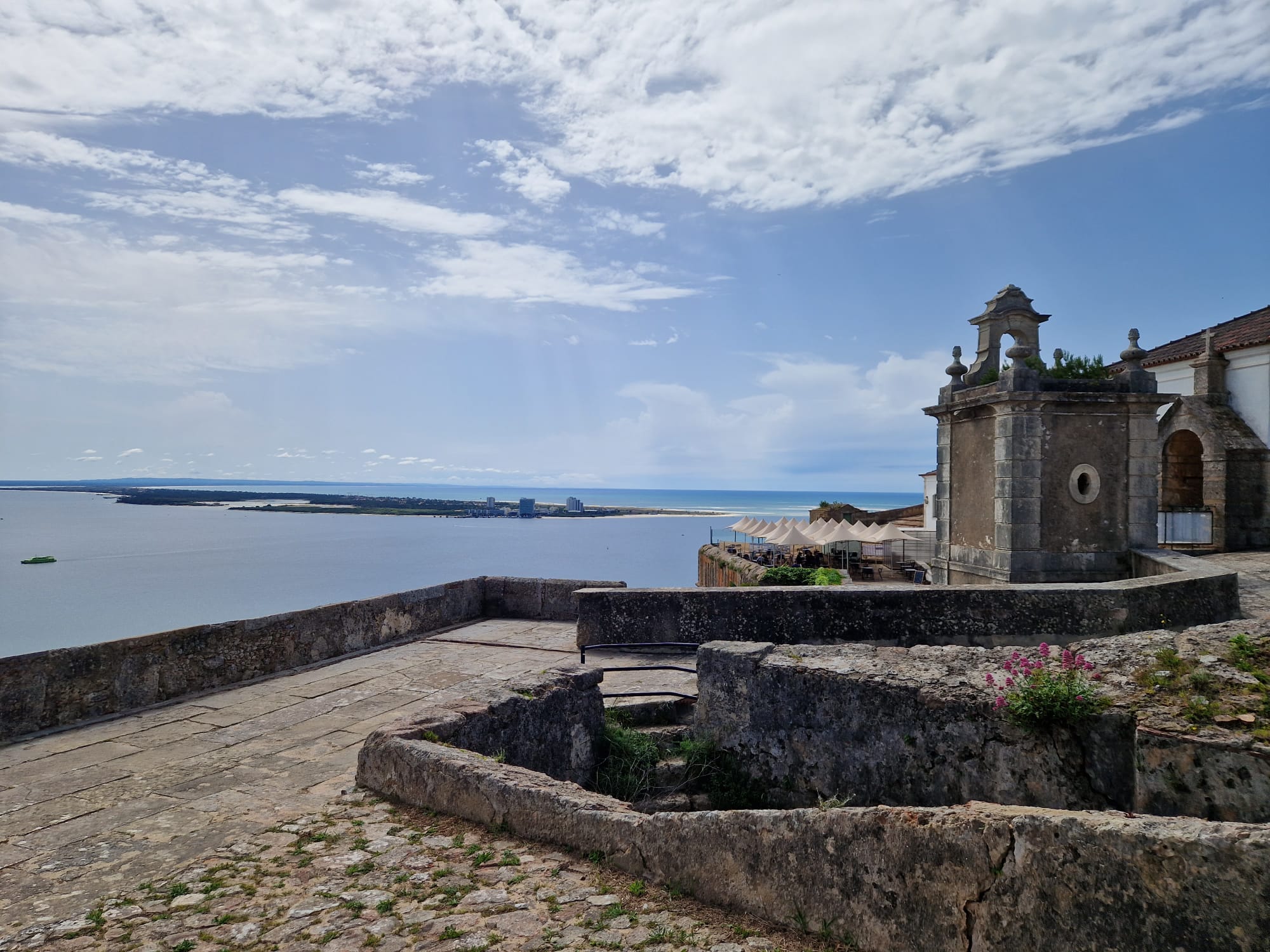
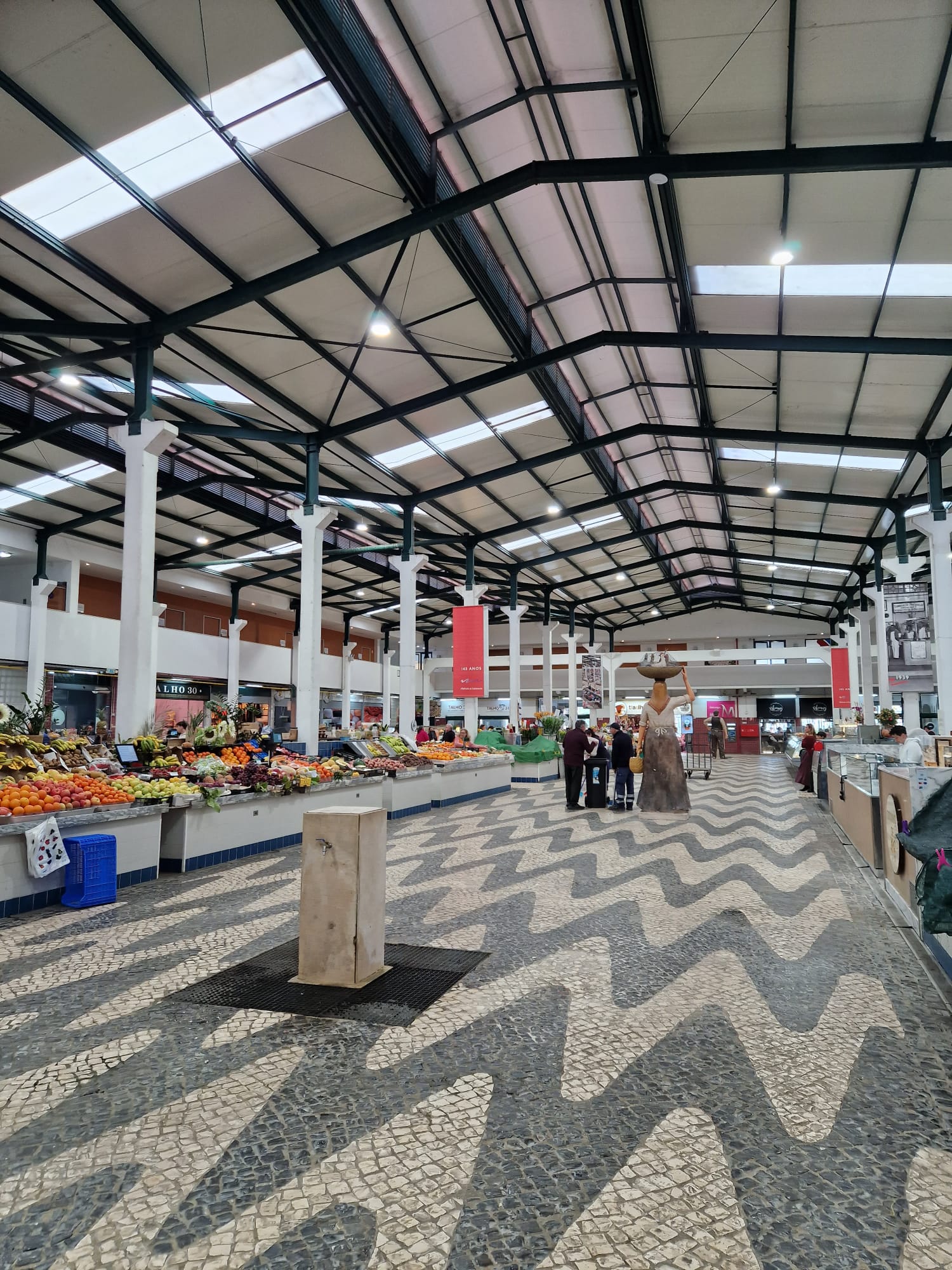
The city of Setúbal has, in my opinion, the perfect size. It is not as large or overcrowded with tourists as Lisbon, yet there is always something going on. Here, you can experience the Portuguese lifestyle in a very authentic way and gain a genuine insight into everyday life.
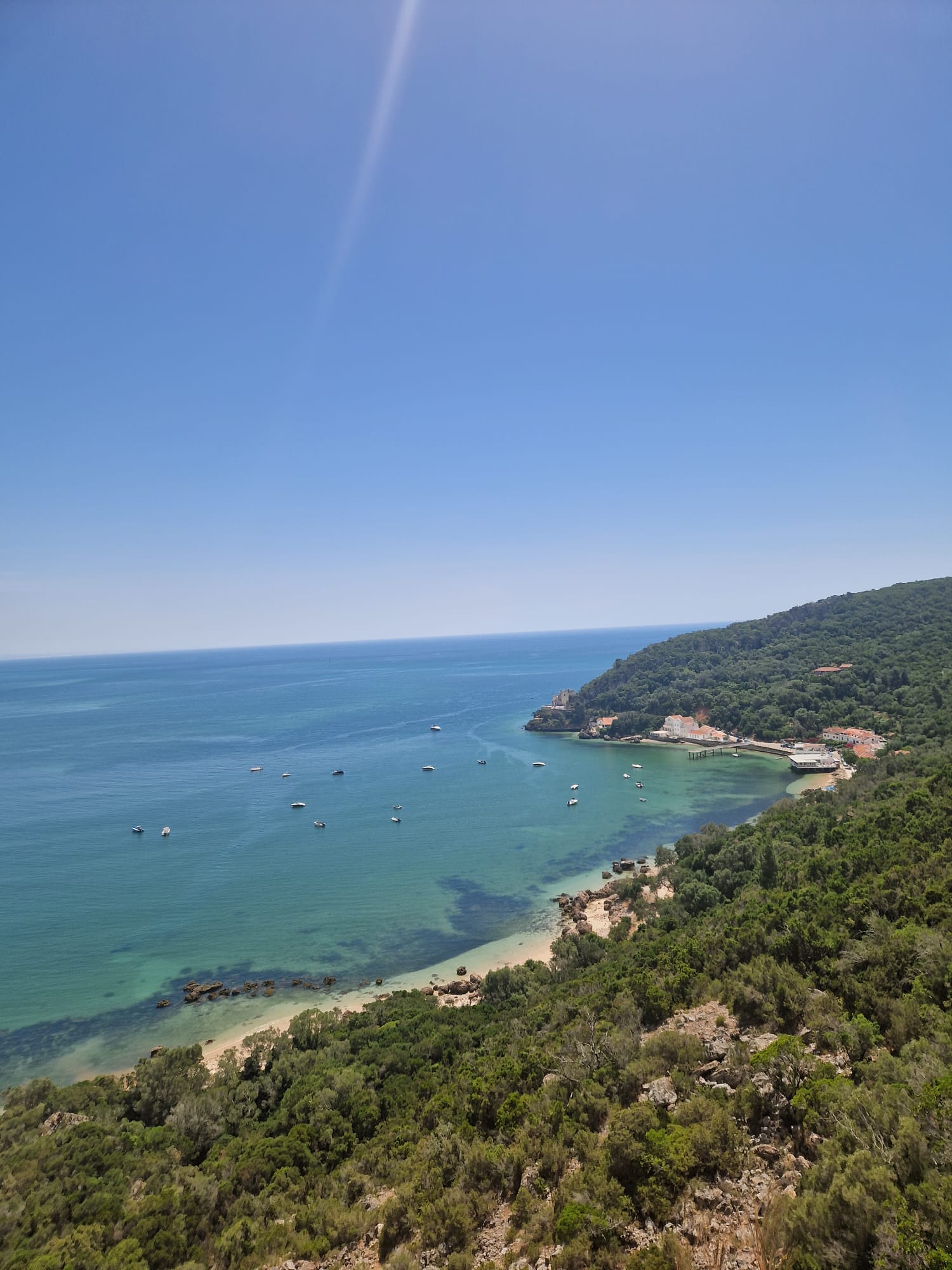
Among the highlights are the Arrábida Natural Park with its beautiful beaches and the Tróia peninsula. Both locations offer impressive natural scenery and a wide range of opportunities for relaxation and leisure activities.
Setúbal also offers a wide variety of very good and affordable restaurants. In general, the cost of living in the city is relatively low. Its proximity to Lisbon makes it ideal for short trips.
I also had a public transport pass that allowed me to use all means of transportation within the entire Lisbon metropolitan area. I mainly used it to travel regularly to Costa da Caparica for surfing. Additionally, I was able to travel to several Portuguese cities and even to Seville by FlixBus, and I also took a flight to Morocco.
Accomodation
Finding suitable accommodation or a shared flat in Setúbal was not easy. The student residence was under renovation during this period, and the few popular housing options were quickly taken. Through a fellow student who had completed her Erasmus semester in Setúbal the year before, I was eventually able to find a place to stay.
I lived in a shared apartment with three other Erasmus students. The rooms were very small, and the walls were thin, so you could hear almost everything. The beginning of the semester was particularly challenging, as we had different ideas of what respectful cohabitation should look like. Towards the end of the semester, the situation improved somewhat. Nevertheless, I can clearly say that living in the shared flat was the most negative aspect of my semester abroad.
The University
The Instituto Politécnico de Setúbal (IPS) is a rather simple university located on the outskirts of the city, but it is very well connected by public transport. Most of the students are Portuguese, but there is also a considerable number of Erasmus students, which creates an international environment.
Special courses were offered specifically for Erasmus students, from which I chose the following:
- Portuguese Language and Culture
- Sports, Tourism and Leisure
- Cultural Diversity and Linguistic Communication
- Performing Arts and Creative Processes
- Sound and Image Scapes
This selection of courses allowed me to further develop my language skills as well as my creative and intercultural competencies.
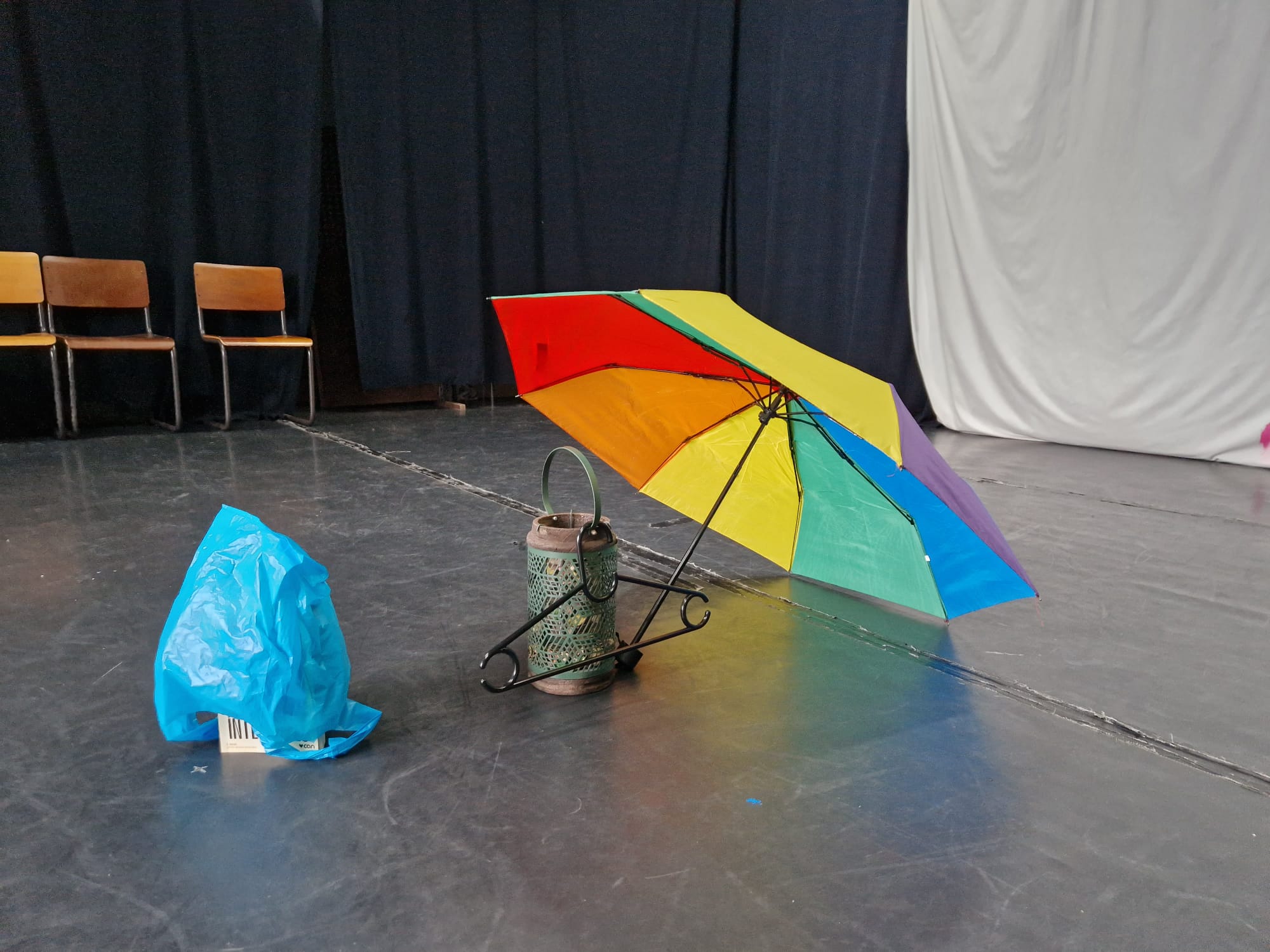
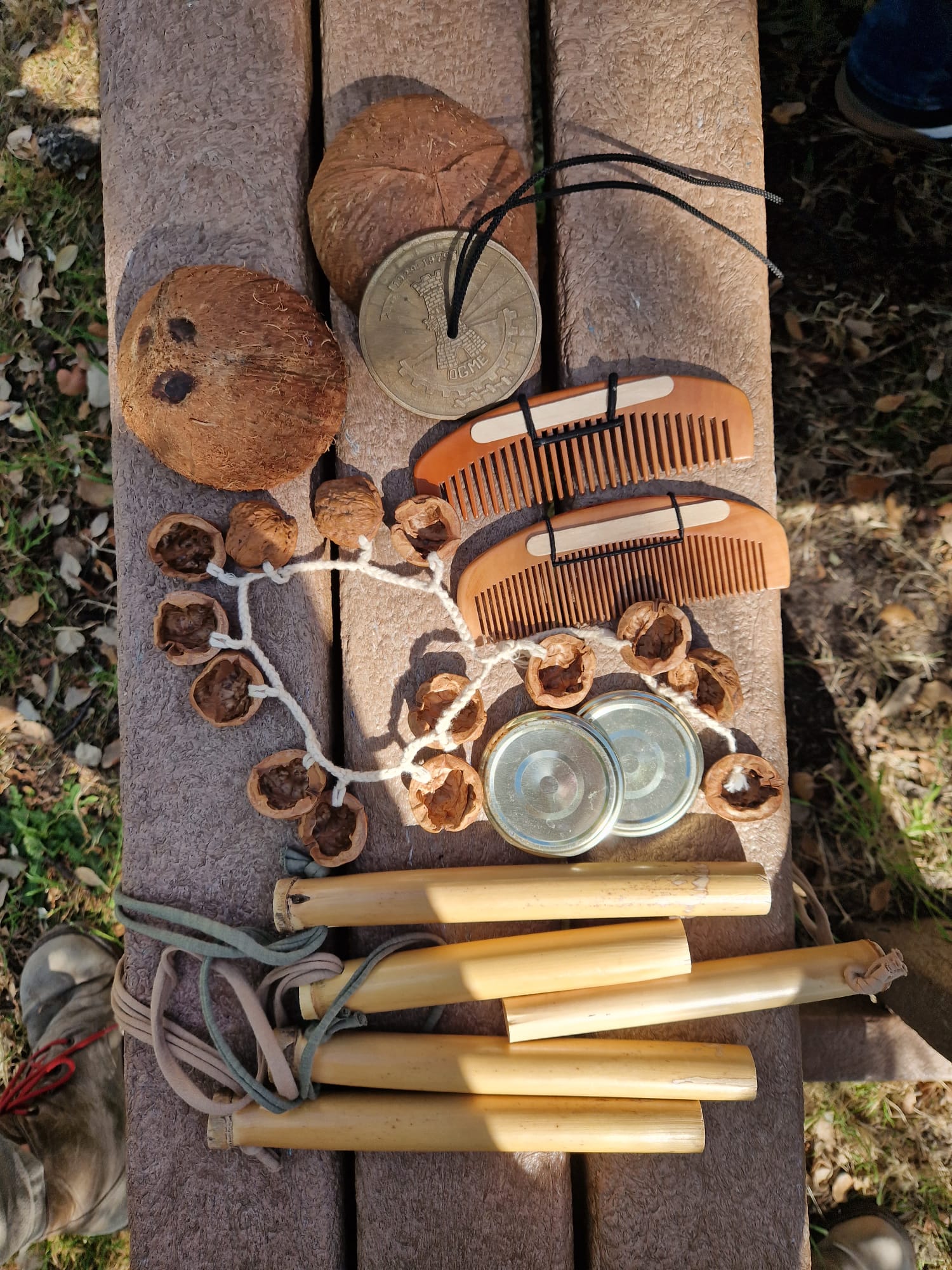
I enjoyed most of the courses very much. The classes required active participation and the contribution of different skills. The semester content included learning the local language, linking sports activities with the Sustainable Development Goals (SDGs), engaging in theoretical discussions on cultural diversity, exploring various creative methods, and producing a short film based on emotions.
The lecturers were very kind and truly interesting individuals. They treated us quite differently compared to my home university. The relationship was much more on an equal level and less hierarchical. As students, we felt valued, were able to actively contribute, and at the same time, the lecturers maintained their authority.
Through several conversations, I was able to identify further differences in the relationship between lecturers and students, as well as in the overall education system compared to Austria. My internship experiences were closely connected to and reinforced these insights.
Internship
As part of my Erasmus semester, I undertook an internship in a second-grade class at Academia Luísa Todi Primary School. This experience gave me valuable insights into a different educational system and teaching approach. In comparison to Austria, I noticed that teacher-centred instruction played a more prominent role in everyday classroom practice.
Observing these differences encouraged me to reflect critically on my own educational perspectives and future teaching methods. One of the main challenges was communication with the pupils, as only a few of them spoke English and my Portuguese skills were not sufficient for extended conversations.
Despite this language barrier, I was able to closely observe classroom dynamics and gain meaningful practical experience.
Social Life and Personal Experiences
An Erasmus semester is a wonderful opportunity to meet new people and experience different cultures. It allows you to broaden your horizons and see life from a different perspective. I used this time to engage in cultural activities, try new foods, and take part in many trips and excursions.
This experience was also very valuable for my future career as a teacher. In addition, it gave me the opportunity to spend a lot of time on my own, reflect on my thoughts, and organize my personal and professional plans, away from the usual stress of everyday life at home.
The semester also provided a unique chance to live abroad for an extended period and gain insight into what life might be like if I were to move to another country permanently. At the same time, it reminded me that Austria also offers many advantages that I truly appreciate.
Portugal had long been a dream destination for me, as I had already visited several times before. Being able to spend my Erasmus semester there made the experience even more meaningful. Looking back, it was definitely the right decision, and I am certain that I will return in the future, perhaps even for a longer stay.
Overall, I would choose to do an Erasmus semester again without hesitation and can highly recommend it to others. The opportunity to gain such experiences is something that should definitely be taken.
Photos & Text: Manuel Thaler