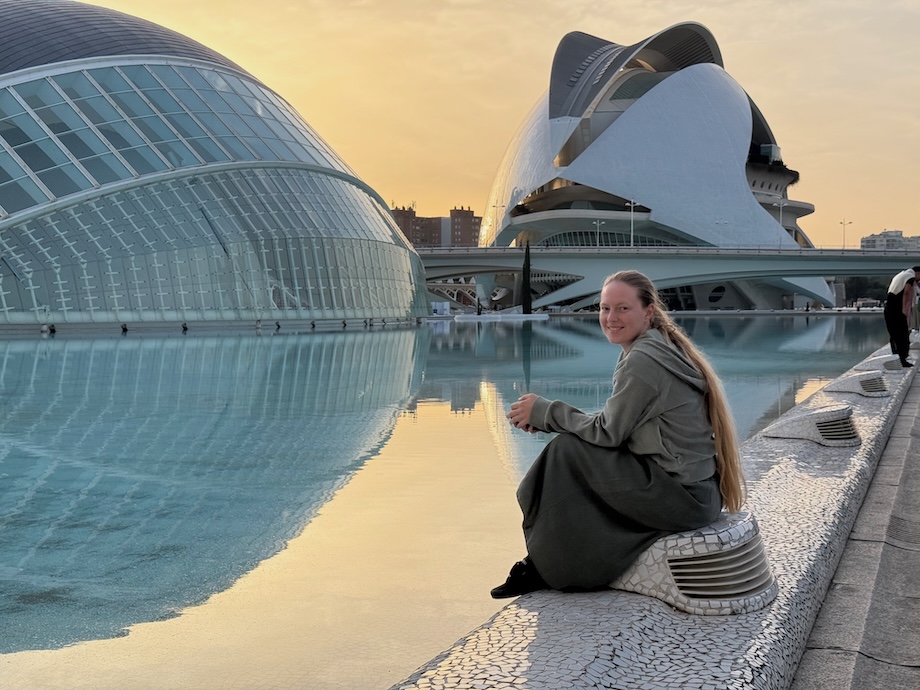
Valencia: A city full of culture, traditions and life
Since my stay abroad in Denmark in 2020 I wanted to do another Erasmus programme. Because I already completed all classes and I heard about the possibility of doing an internship abroad, I wanted to give it a go. The decision to go to Valencia was very easy. I had already fallen in love with the city and the two languages spoken there; I was fluent in Spanish (which was quite useful), and I wanted to experience all the cultural activities that happen there each year in March and April (Fallas and Semana Santa) at least once in my life. So, I started looking for schools in Valencia to do an Erasmus+ internship.
Finding a school was not easy at first. Many schools didn’t reply to my application and the only one that responded, was a school that was run by the Ayuntamiento (city council), which told me that it was not possible to do internships at this kind of school but that I should rather look for institutions run by the Conselleria de Educación (Council of Education). Luckily, I knew a teacher from a public primary school close to Valencia whom I had met during a previous Erasmus+ International Week, who helped me to get into the school where she works.
Once I had found the school, I looked for a flat to stay in. It was not easy either to find a place where I could move in and out during the semester (many student homes or temporary flats only rent their accommodations for a whole semester). Finally, I found a room in a shared flat of seven on Uniplaces. It was the perfect location in the district of Ruzafa, close to the city centre and close to the school.
In January my adventure finally began. I started my internship at the CEIP Rosa Serrano in Paiporta, which is a public primary school for children between the ages 2 and 12 (kindergarten and primary school years 1-6). I got to observe lessons in different classrooms in primary school and kindergarten; I assisted in and taught lessons in Spanish, Valencian and English and taught them about Austria, its traditions, and the German language. It was so much fun to work with the children, to see them learning in two native languages (Spanish and Valencian) and to experience all the cultural festivals, such as the week of carnival with them. I immediately felt welcome at the school and got along very well with the pupils and the other teachers as well.
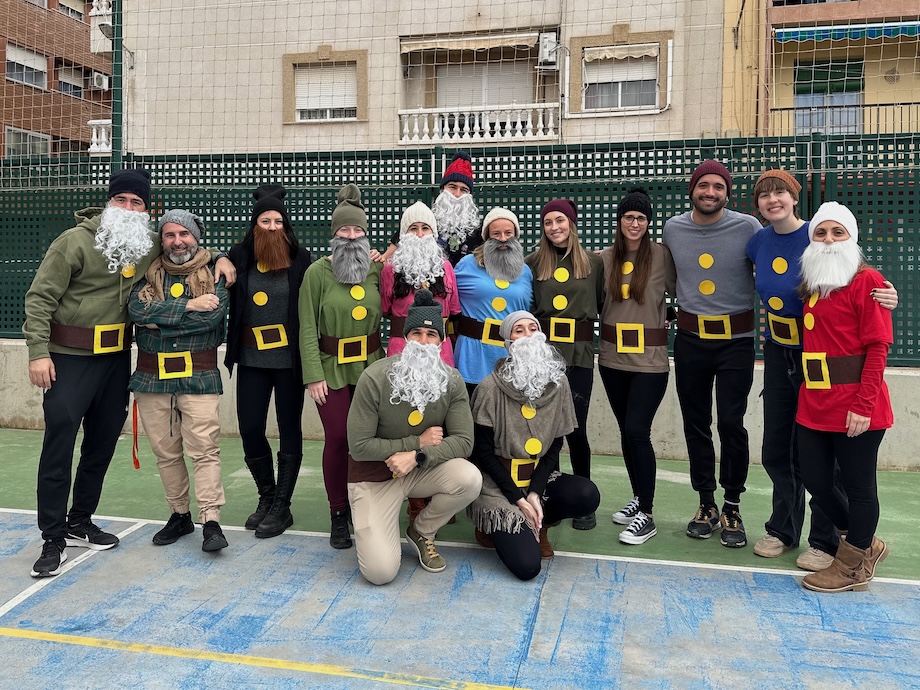
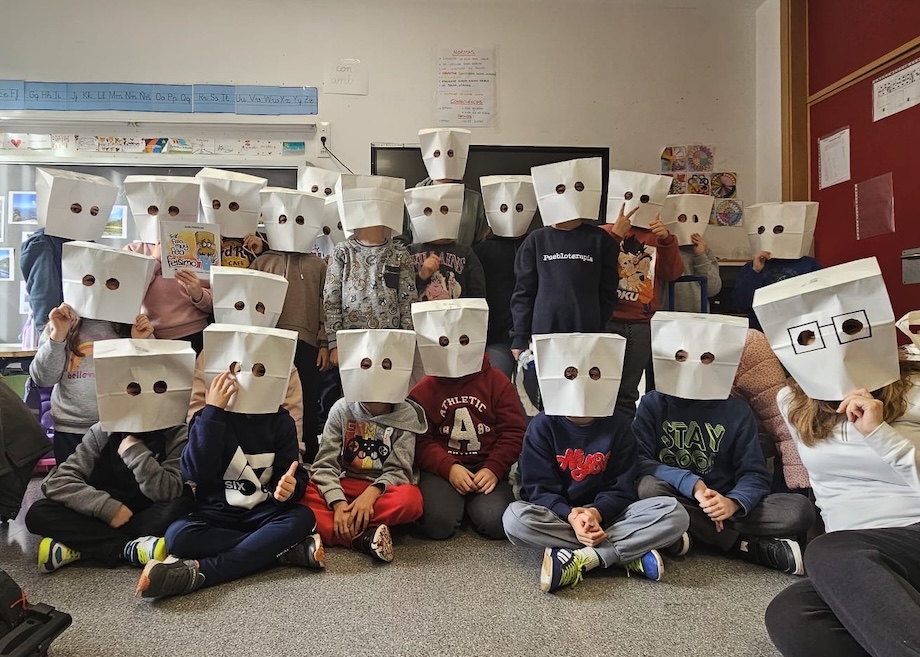
Some interesting facts about the school:
- Primary school lasts 6 years.
- The curriculum doesn’t include Werken, therefore the children did very little handcrafts, and they also had only one arts lesson per week.
- Some subjects were taught in Valencian, others in Spanish, and they often changed between the two languages.
- They used to have sessions of relaxation and yoga after lunch break.
- School doors are closed at all times and open just a few minutes before the school starts at 9 am, when the children come together in the yard, where each class gets picked up by their teacher.
- Instead of a school bell they played a song at the start at 9 am, before and after lunch break, and at 2 pm when school ended.
About the city
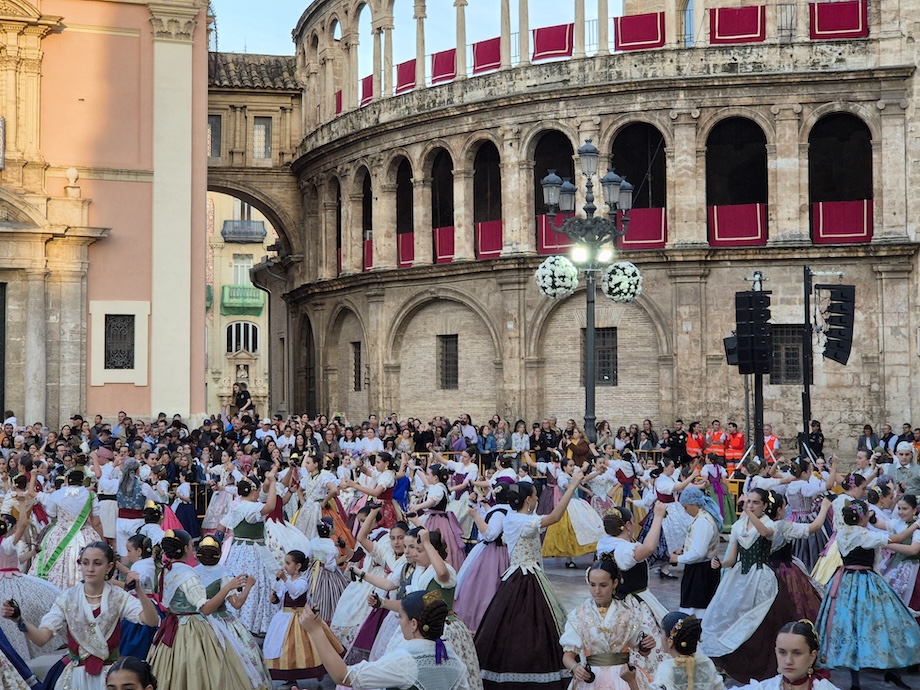
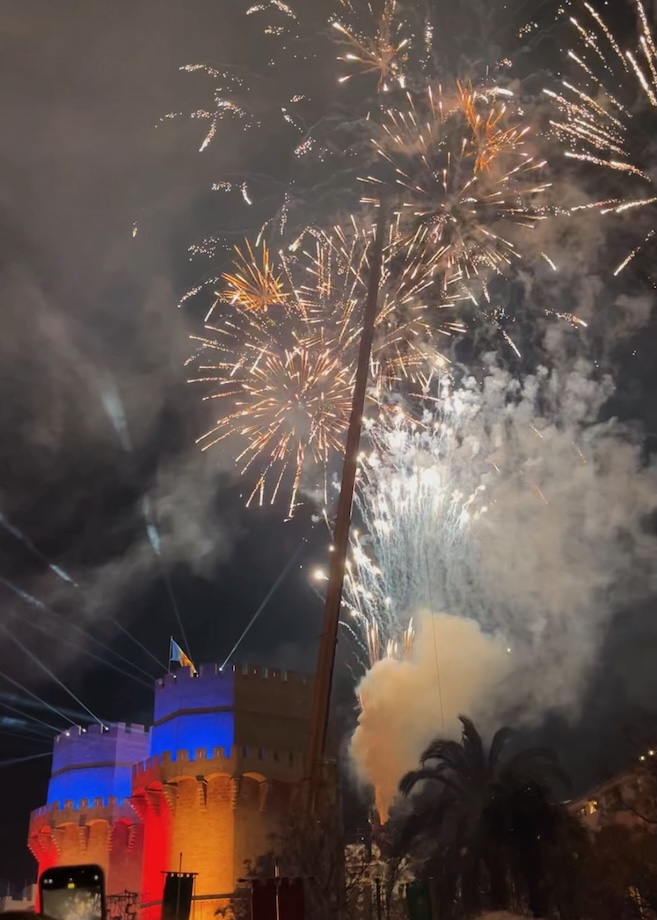
Valencia is a beautiful city with many bars, cultural activities and nature spots. During my stay I got to experience the Fallas festival which was unbelievable. People dressed up in their traditional clothing, and there were fireworks and mascletás nearly every day during these weeks of March. You could find street stalls at every corner selling churros and other delicious treats, beautiful sculptures (some of them as high as the houses) that were burnt in the end, and the whole city was filled with the sound of firecrackers and music from the typical brass bands.
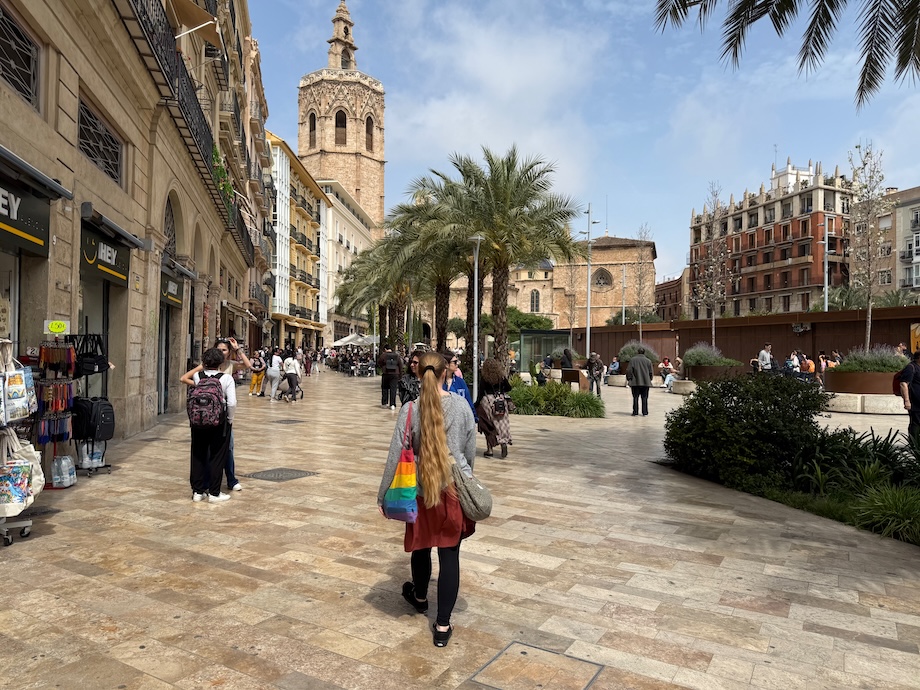
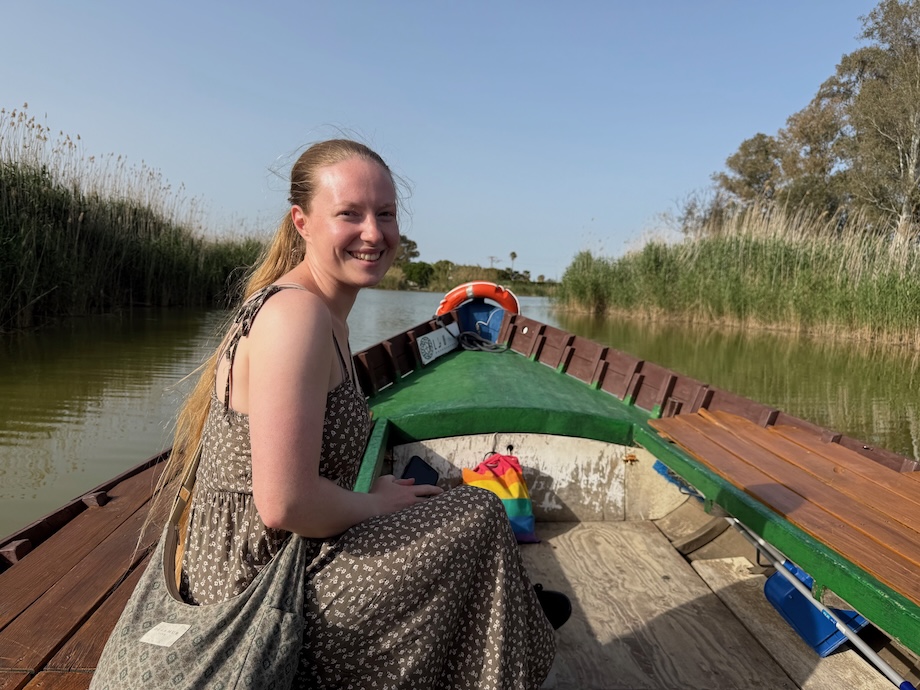
You could see people coming together on the terraces of small bars, talking with family and friends while drinking a cerveza (beer) and just enjoying life. You could go on a walk in the riverbed of the river Turia, which nowadays is a huge park that goes across the whole city, or just stroll around the city centre, spend the afternoon at the beach or take advantage of one of the many cultural offerings.
Conclusion
To sum it up, my stay in Valencia was a once-in-a-lifetime experience that shaped me as a person and in my professional formation. The lifestyle, the cultural festivals, the flair of the city, the open-minded people and the welcoming environment at school made my Erasmus+ unforgettable. I would definitely recommend a stay abroad to everyone, even if it might be a bit scary in the beginning. It’s a great opportunity to learn in so many different ways and, I am very happy to call Valencia my second home now.
Photos & Text: Anna Hödlmoser